Taking Photographs in a Modern World
Last week was kind of slow and I did not get out to take a lot of pictures. So this week I thought that I would do something different and bore you an essay on photography.
Occasionally, I get asked about why my photos look different than a phone photo or even one from a point and shoot camera. The answer is both simple and complex at the same time. At one level the act of taking a photograph is a mechanical task that anyone can do. But at another level it is an art form that takes practice and a willingness to learn and experiment.
Modern smart phones have largely replaced the point and shoot camera and are prefect for most occasions. The reason why is that a smart phones software is designed to make all the necessary adjustments to take a nice picture. Software and Artificial Intelligence (AI) go a long way. Plus, a phone fits into a purse or a pocket with ease, so you almost always have it when needed. And if that is not enough, once you take the picture you can share it with the world. This begs the question, if phones are so good, why do you need a camera let alone a photographer.
First off, as good as the modern smart phone is, they all have some drawbacks. First, the lens and sensor are both small. Photographs capture light, the more light captured, the better the photo. If you look at the lens on your phone, it is small. The software in the phone compensates for this. The size of the sensor is also a factor. Like the lens, the light sensor on a phone is also small. A typical consumer camera has an APSC (Cropped) sensor approximately 23.5x15.6 mm in size. A phone sensor is typically about 5.6x4.2mm. This is a significant difference. The net result is that a traditional camera lens collects more light than the smaller phone lens the larger sensor records more image data. But this is only part of the story.
I shoot a Nikon Z mirrorless camera as my primary. This is a full frame camera. Full frame refers to the sensor size which is 36x24mm. This is the same size as 35mm film. I typically shoot a 40mm lens on the street and 85mm lens for portraits. The system captures a lot of light and records a lot of data. Having said that, I have taken a lot of bad pictures with excellent gear. Like the phone, equipment is only part of the story. So, what is the real difference?
Many photographers will tell you that it starts with composition. And this is true, but in the interest of brevity I am going to set aside composition for now. Photographers say that you don’t take a picture you make a picture. There are multiple decision that the photographer makes when recording an image but on a phone camera, the phones software and built in AI make the processing decisions for you. These systems are generally good and get you a picture that you are proud to post and share. The real difference is what happens in the photographer’s world, after the picture is taken.
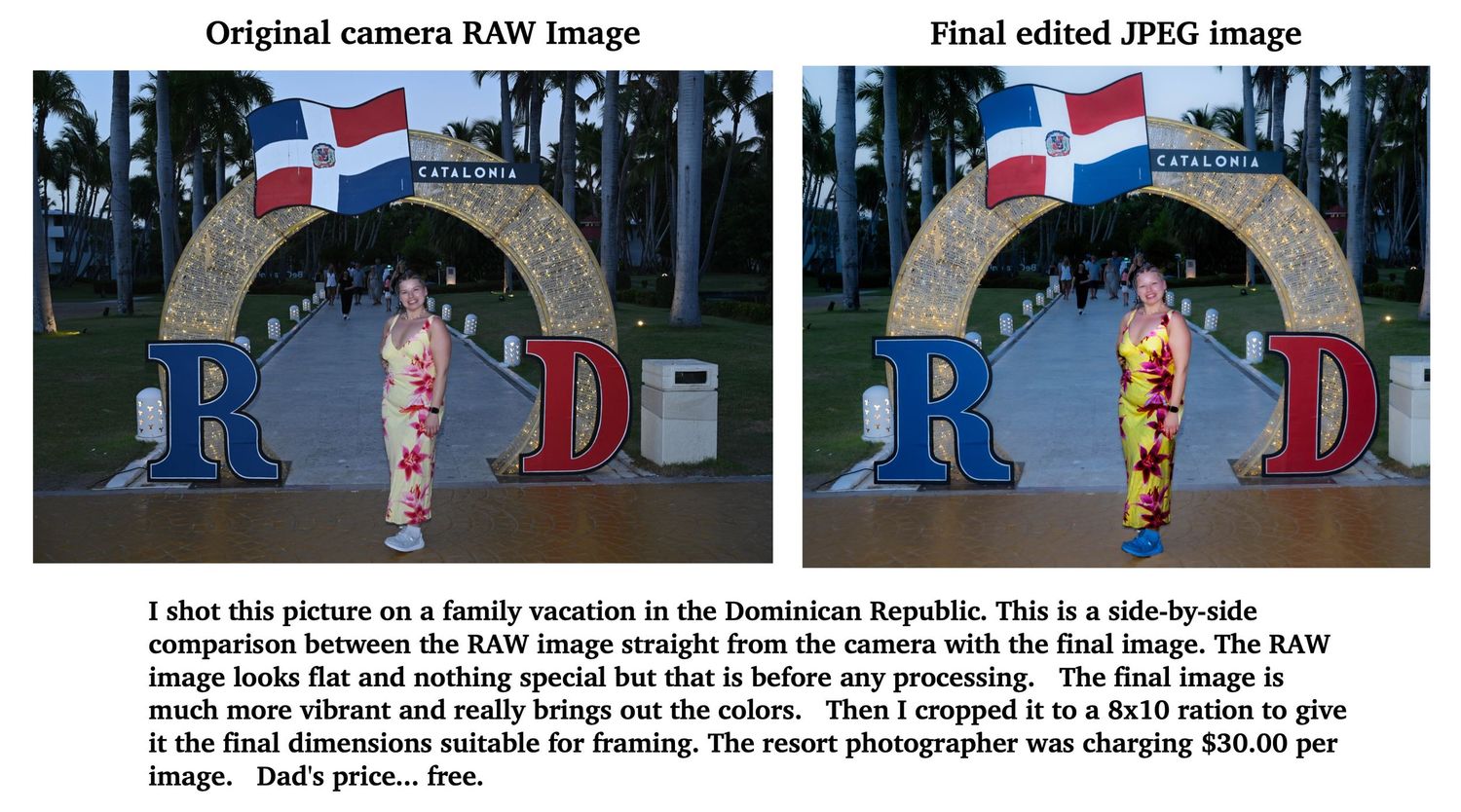
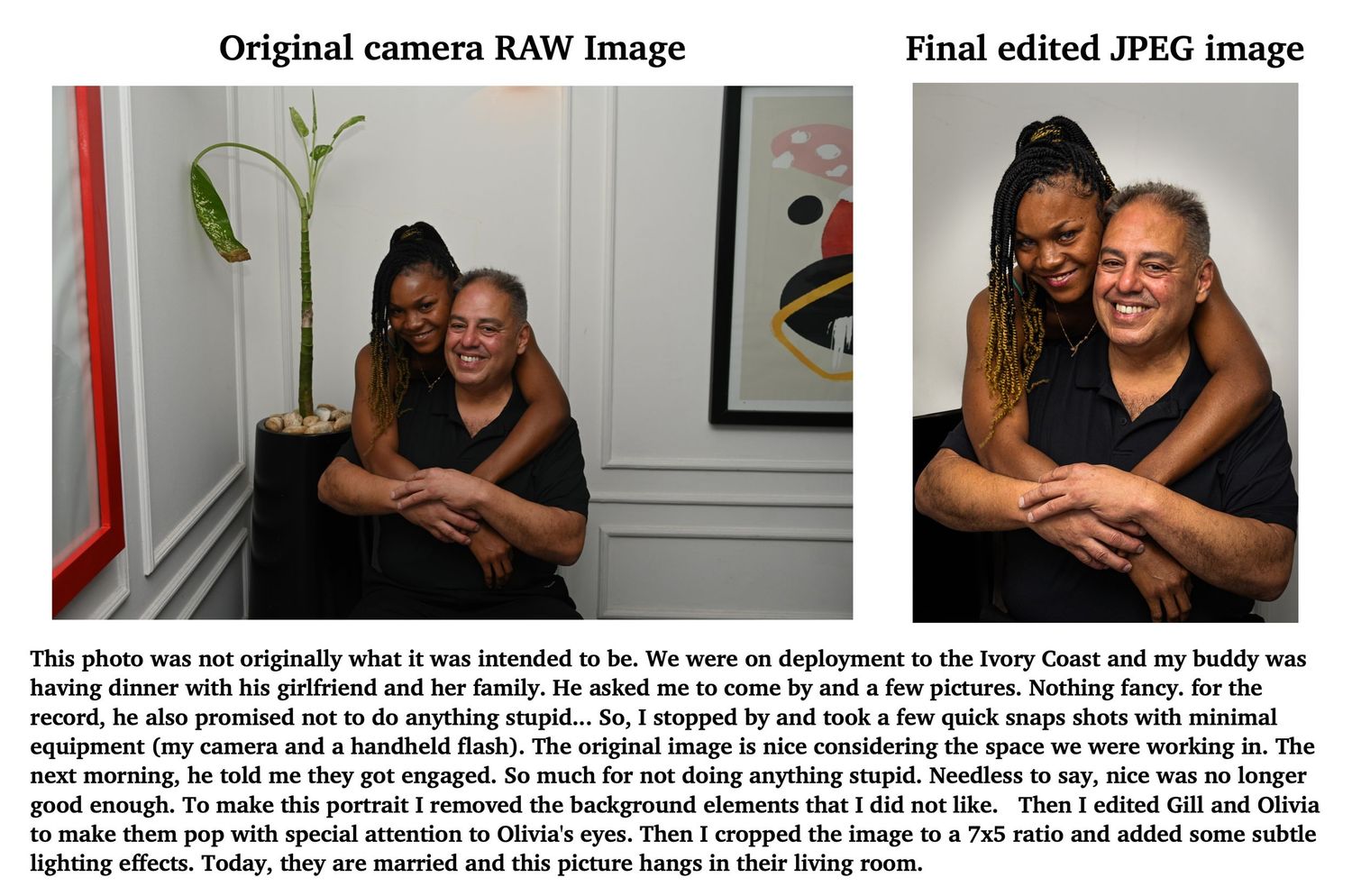
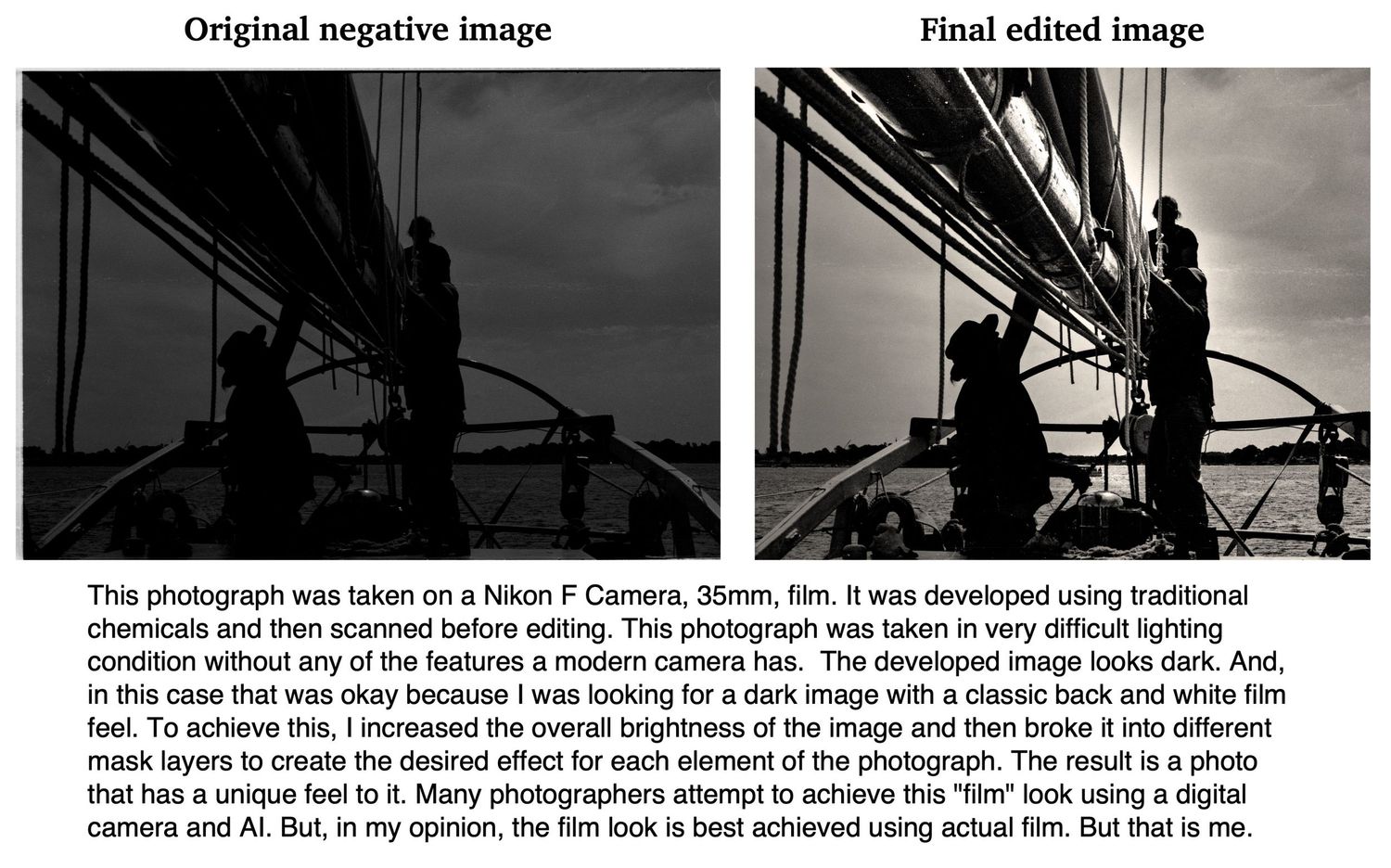
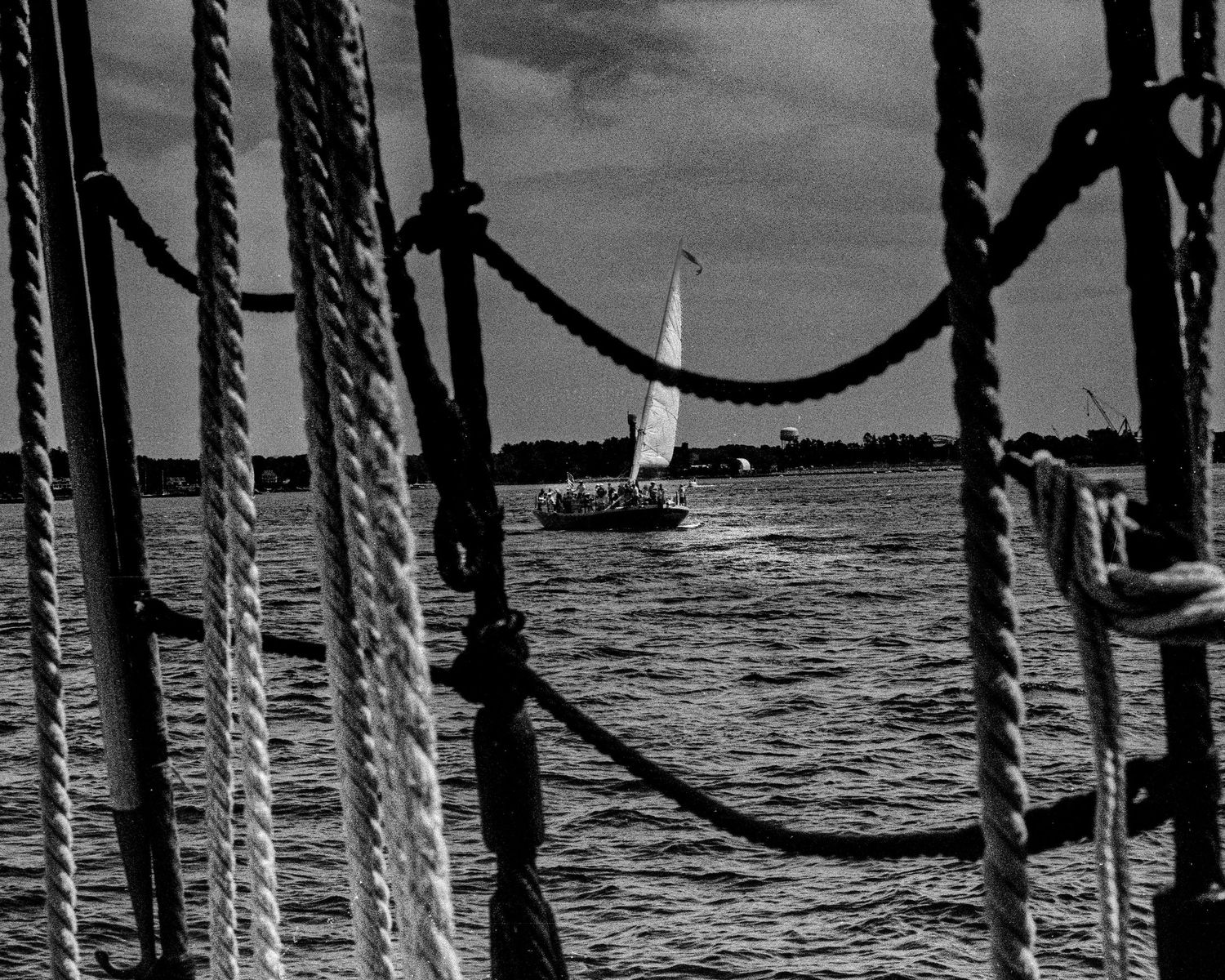
When I shoot, I almost always take a RAW image. This simply means that the camera does not make any adjustments to the image. A typical digital “JPEG” photo is usually about 5kb in size whereas the typical “RAW” image is about 30mb in size. This happens because a RAW image has more data to work with. I then go through the process of making the editorial decisions about how I want the photo to look in its final form. Each decision is a conscious choice reflecting my clients desire and my signature style. Check out the before and after photos below and, if you are interested, send me a message and we can have a conversation.